CRM and CMMS: How Integrating the Two Systems Boosts Operational Efficiency
Discover the differences between CRM and CMMS, how their integration eliminates operational issues, and why custom software is the ultimate solution.
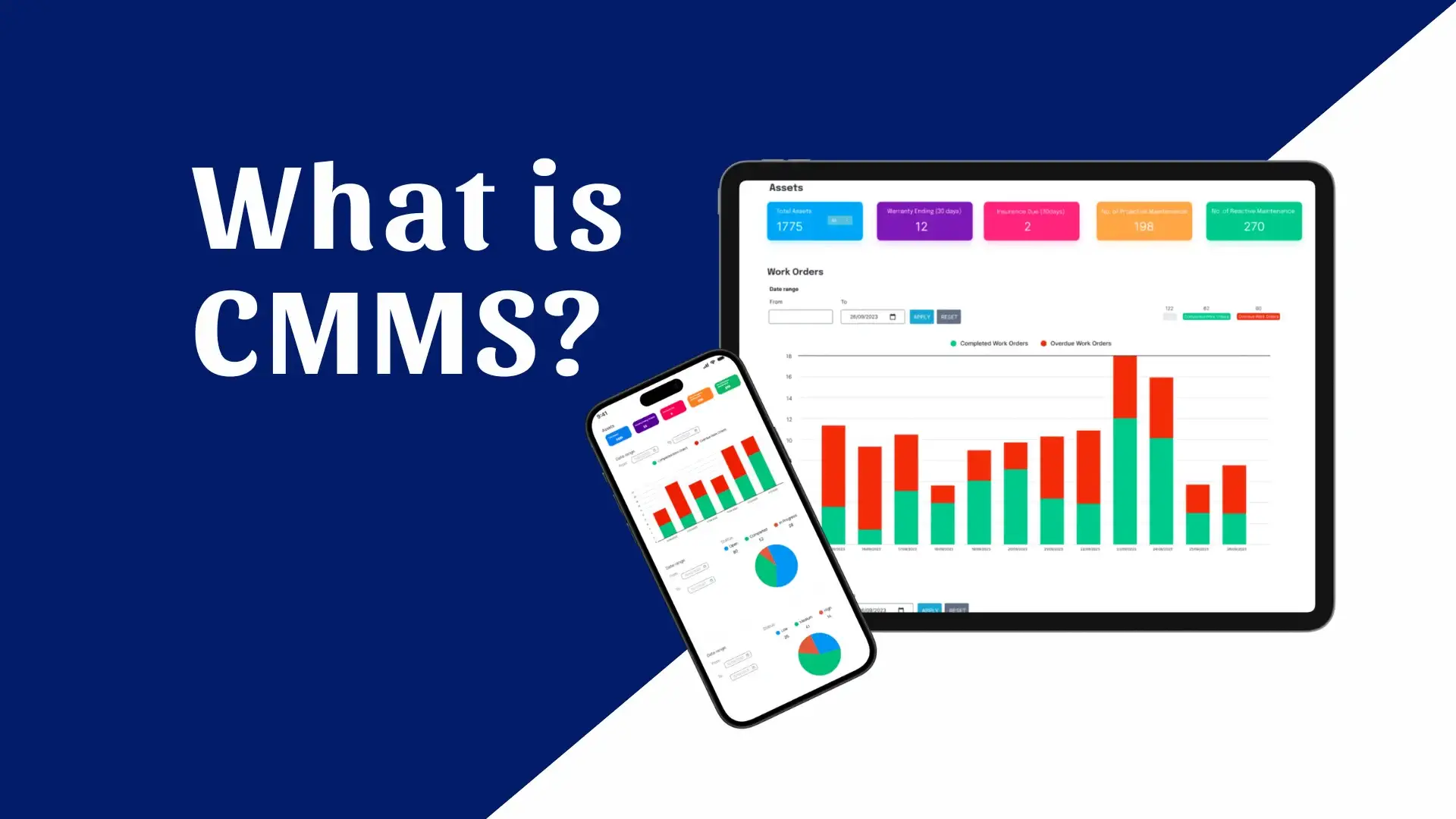
Modern businesses are required to manage increasingly complex operations, ranging from customer service and sales management to equipment maintenance and ensuring the seamless operation of their facilities. The use of specialized software—such as CRM (Customer Relationship Management) and CMMS (Computerized Maintenance Management System) solutions—has become a fundamental prerequisite for effective organization, the reduction of operating costs, and increased productivity.
Although the two systems serve different business objectives, their true value becomes apparent when they operate in an integrated manner. Data exchange among the sales, customer service, technical support, and maintenance departments enables the business to make better decisions, automate processes, and deliver a higher level of service.
In an environment where response speed and service quality constitute a competitive advantage, integrating CRM and CMMS systems is not merely a technological choice but a strategic investment that enhances every stage of business operations.
CRM and CMMS: What are the differences?
CRM (Customer Relationship Management) serves as a business’s central customer management system. It consolidates all information related to prospective and existing customers, including quotes, sales, communications, support requests, and transaction history. Through CRM, sales teams can better organize their tasks, track the progress of each customer, and improve the overall service experience.
In contrast, the primary purpose of a CMMS (Computerized Maintenance Management System) is the management of equipment, facilities, and maintenance operations. The system is used to schedule preventive maintenance, generate work orders, track breakdowns, manage spare parts, and record the complete history of each machine.
Although they serve different roles, the two systems complement each other. A customer submitting a technical support request generates information for the CRM, while the corresponding technical work and equipment maintenance constitute data for the CMMS. Linking this information creates a unified view of each customer and project.
CRM and CMMS Comparison Table
| Feature | CRM | CMMS |
|---|---|---|
| Main objective | Customer management | Maintenance management |
| Users | Sales, Marketing, Customer Service | Technical Department, Maintenance |
| Manages | Clients, Leads, Proposals | Equipment, Work Orders, Breakdowns |
| KPI | Sales, Customer Satisfaction | Downtime, MTTR, MTBF |
| Core value | Revenue growth | Reduction of operating costs |
The benefits of integrating CRM and CMMS
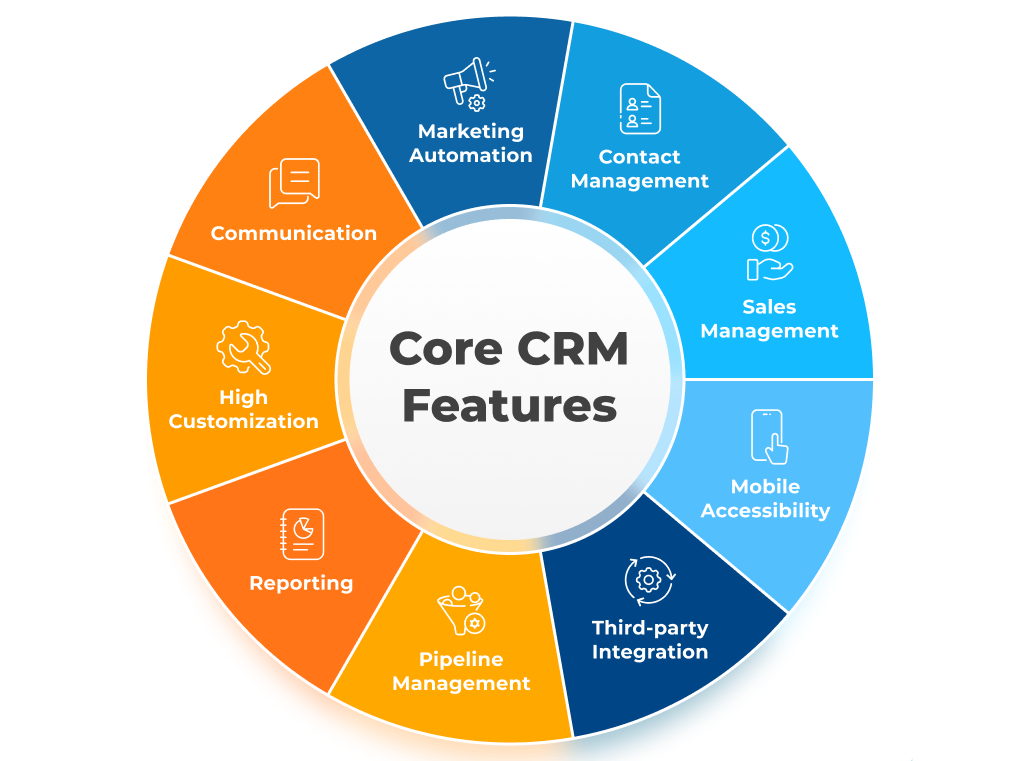
Integrating CRM and CMMS enables the continuous exchange of information across all company departments. Consequently, every employee has access to the necessary data without needing to use different applications or search for information in spreadsheets.
For example, when a customer reports a fault via the CRM, a work order can be automatically created in the CMMS. Once the work is completed, the CRM is automatically updated so that the service department is aware of the request’s status and can promptly inform the customer.
This automation significantly reduces human error, accelerates response times, and contributes to the better organization of technical teams. At the same time, management gains a comprehensive view of business performance through shared metrics and reports.
Key Benefits
| Benefit | Operational Impact |
| Shared database | Unified view of customers and equipment |
| Automatic creation of Work Orders | Fewer errors and faster processing |
| Service improvement | Faster response to requests |
| Detailed Reports | Better business decisions |
| Downtime Reduction | Increased productivity |
| SLA Improvement | Higher quality of services |
| Automated processes | Reduction of operating costs |
Anveto CORE OS: The Bespoke Answer to Your Needs
Every business operates with different processes, has distinct priorities, and faces unique operational challenges. Consequently, off-the-shelf software cannot always fully meet an organization’s actual needs. Anveto CORE OS is designed with a bespoke development philosophy, ensuring it adapts to the specific requirements of each business rather than the other way around.
The platform can integrate CRM, CMMS, ERP, and other information systems into a unified workspace. This allows users to access all necessary information through a single application, improving inter-departmental collaboration and reducing training time.
At the same time, Anveto CORE OS supports automated workflows, real-time dashboards, detailed reports, and API integrations with third-party systems. This enables businesses to automate complex processes, reduce repetitive manual tasks, and gain full control over their daily operations.
Why choose Anveto CORE OS?
| Opportunity | Benefit |
| Bespoke development | Complete adaptation to the business’s needs |
| CRM & CMMS Integration | Unified data management |
| Workflow Automation | Automation of daily processes |
| Dashboards | Real-time KPI monitoring |
| API Integrations | Integration with ERP, IoT, and other systems |
| Cloud or On-Premise | Installation flexibility |
| Scalability | Growing alongside the business |
Frequently Asked Questions (FAQ)
CRM focuses on managing customers, sales, and service, whereas CMMS deals with the management of equipment maintenance, technical operations, and facilities. The two systems serve different needs but work together ideally when integrated.
Their integration enables the company to gain a comprehensive view of both each customer’s history and the status of their equipment, improving collaboration between sales and technical teams.
Businesses that provide technical support, maintain equipment, operate field service teams, or manage service contracts can derive significant benefits from integrating the two systems. Industrial enterprises, facility management companies, energy organizations, and technical firms are prime examples.
Interconnection reduces service time, automates processes, and enables better utilization of available resources, contributing to improved overall efficiency.
The level of difficulty depends on the architecture of the two applications and their available integration capabilities. Modern platforms that support APIs and automated workflows can be integrated relatively easily and securely.
Choosing a comprehensive solution, such as Anveto CORE OS, significantly reduces implementation complexity and enables real-time data exchange, eliminating unnecessary manual processes.
Leveraging a unified platform is not limited to large organizations. Small and medium-sized enterprises can also significantly improve organization, productivity, and service quality by automating daily tasks.
Furthermore, the system’s customizability and extensibility allow it to evolve alongside the business’s growth, without requiring future software replacement.
When all data regarding customers, equipment, maintenance, and technical operations are consolidated into a single platform, management gains a clear picture of business performance. Dashboards and analytical reports help identify recurring issues, measure productivity, and evaluate the quality of services provided.
With reliable and up-to-date data, businesses can make more informed decisions regarding maintenance scheduling, resource allocation, equipment investments, and their overall growth strategy.
A modern solution should offer process automation capabilities, easy integration with other business systems via APIs, detailed dashboards, real-time notifications, and a high level of security to protect corporate data.
At the same time, the ability to customize the software to meet the specific needs of each business is of particular importance. Scalability and ease of use ensure that the platform will continue to meet the organization’s requirements as it grows.
Conclusion
Effective management of customer relationships and equipment maintenance is no longer a matter of two independent processes. Integrating a CRM with a CMMS creates a unified information ecosystem where all business departments collaborate using shared data and automated workflows. The result is faster service, fewer errors, reduced operating costs, higher productivity, and a significant improvement in the customer experience.
Solutions like Anveto CORE OS offer businesses the ability to tailor technology to their specific needs by integrating CRM, CMMS, and other critical applications into a unified platform. With capabilities for customization, automation, and scalability, a bespoke solution can serve as the foundation for the digital transformation and sustainable growth of any organization, regardless of its size or industry.